
Does the floor of your shed look tired, stained, and maybe even a little dusty? You use your shed for everything—storing tools, potting plants, or maybe even as a small workshop. A good floor protects your belongings and makes the space usable. But when it comes to painting that floor, the choices can be overwhelming. Should you pick epoxy, latex, or something totally different?
Choosing the right shed floor paint is tricky. You want something tough that resists spills, scrapes from dropped shovels, and moisture. A cheap paint might peel off in the first season, forcing you to start all over again. Nobody wants wasted time and money on a floor that fails quickly!
This guide cuts through the confusion. We will explain the different types of paint available, what they are best used for, and how to apply them for a finish that lasts. By the end of this post, you will know exactly which paint will transform your shed floor from dull to durable.
Top Shed Floor Paint Recommendations
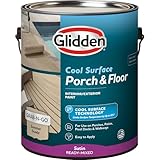
- For use on porches, patios, pool decks and walkways
- Easy to apply
- Highly durable
- Scratch resistant
- Cool surface technology limits surface temperature by up to 20%*

- High durability
- Scratch resistant
- Easy application- fast drying
- Soap & water cleanup

- Durable Epoxy Acrylic Formula: Resists hot tire pickup, scuffing, cracking, peeling, and fading. KILZ 1-Part Epoxy Floor Paint delivers long-lasting protection and a satin finish that looks great on concrete surfaces.
- Interior & Exterior Use: Designed for use on both indoor and outdoor horizontal surfaces. Ideal as concrete paint for basements, garage floors, and as an exterior paint for porches, driveways, and pool decks.
- Versatile Surface Application: Use on properly prepared porous concrete, masonry, stone, and brick. Not for vertical surfaces or areas exposed to hydrostatic pressure or forklift traffic. Residential use only.
- Low-VOC, Easy Application: This water-based interior/exterior paint applies easily with a roller or brush and cleans up with soap and water. Covers 300–400 sq. ft. per gallon on smooth surfaces, 200–300 on rough.
- Trusted KILZ Performance: KILZ has been a leader in surface coatings for over 50 years. Backed by a brand known for quality and innovation in paint and primer solutions for every part of your home.

- For use on porches, patios, pool decks and walkways
- Easy to apply
- Highly durable
- Scratch resistant
- Cool surface technology limits surface temperature by up to 20%*
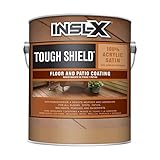
- Waterborne, acrylic enamel designed for a rugged, durable finish with good abrasion resistance withstanding detergents, oils, greases, and scrubbing.
- Resists ponding water and has excellent wearing qualities for interior floor paint or exterior floor paint used on surfaces like masonry, concrete and wood.
- Durable satin finish designed to produce a rugged, durable finish that stands up to weather and abrasion.
- Interior/exterior floor coating, porch and patio floor paint for light commercial as well as residential floor applications DO NOT USE ON GARAGE FLOORS OR CAR PARKING SURFACES.
- 350 - 450 square foot coverage per gallon.

- HIGH-TRAFFIC DURABILITY: Engineered to withstand heavy foot traffic, daily use, and repeated cleaning. This heavy-duty formula is ideal for porches, patios, basements, steps, and walkways where long-term wear resistance is required.
- SCUFF & SCRATCH RESISTANT: Our advanced coating creates a hard, resilient finish that resists marks, abrasions, and scuffing from shoes and furniture. Keep your floors looking clean and polished with a surface built to stay well-maintained longer.
- INTERIOR & EXTERIOR VERSATILITY: Provides reliable protection for both indoor and outdoor projects. This multi-surface paint offers excellent adhesion on wood, concrete, masonry, and previously painted surfaces, ensuring a consistent look across your home.
- WEATHER & MOISTURE BARRIER: Formulated to resist rain, humidity, and UV exposure. The moisture-resistant film helps prevent cracking, peeling, and fading, extending the life of your exterior porches and decks through variable weather conditions.
- SMOOTH, HIGH-HIDE COVERAGE: Achieve a professional, uniform finish with ease. Our high-hide formula effectively masks surface imperfections and provides even color distribution, reducing the need for multiple coats on properly prepped surfaces.

- PORCH and PATIO PAINT: KILZ Porch and Patio Floor Paint is a 100% acrylic latex product providing a durable, long-lasting finish that is ideal for both interior and exterior applications.
- ADVANCED FORMULA: This Acrylic paint offers a low-lustre enamel surface that is formulated to endure on deck, porch, and patio siding and floors through variable weather conditions. This product will create a moisture resistant finish that resists scuffing, fading, cracking and peeling.
- MULTIPLE USES: Ideal for porches, floors, decks, basements, patios, siding, trim, furniture and trellises. May be applied over properly prepared, previously-painted or primed surfaces. Not for use on areas subject to automotive tires. For residential applications only. CAUTION. Sealed surfaces may become slippery when wet. Use caution when walking on surface when moisture is present.
- SUPERIOR COVERAGE: This 1 Gallon can of KILZ Enamel Porch and Patio latex paint covers 300-400 square feet on smooth surfaces and 200-300 square feet on rough surfaces. Dries to touch in 1 hour and can be recoated in 4-6 hours.
- KILZ has been making premium primers and paints for 40 years and leverage this experience in every gallon of KILZ Paint. Named Paint Brand of the Year in 2015 in the Harris Poll EquiTrend Rankings. Lifetime Limited Warranty (see label for details).

- This premium, interior/exterior paint is formulated to waterproof and seal porous concrete and masonry surfaces both inside and outside your home.
- Using nanotechnology, this paint forms a barrier to help stop water infiltration while an alkali resistant coating provides a long-lasting, durable and decorative finish.
- Apply this paint on properly prepped and cured above and below grade basement walls, masonry walls, retaining walls, cinder and concrete blocks, stucco and brick. Do not use on floors or on walls with active water leaks. Apply using a high quality 1/2"-3/4" nap roller, 4" nylon/polyester brush or an airless sprayer capable of delivering 2200-3200 PSI or greater using a .023"-.025" spray tip.
- Prime all uncoated, patched, chalky, and adjacent wood and/or metal surfaces with KILZ Premium Primer. For below grade application, fill all holes/cracks with hydraulic cement prior to painting. A minimum of two coats of this product are required for optimal results. Paint dries to touch in one hour and can be re-coated in 4 hours depending on humidity.
- This is a 1-gallon can of Interior/Exterior Basement and Masonry Waterproofing Paint, White, 1-gallon in white. Depending on surface porosity, 1 gallon covers 75 to 125 square feet per.
The Ultimate Buying Guide for Shed Floor Paint
Shed floors take a beating. Rain, dirt, tools, and heavy storage all wear them down. Good shed floor paint protects your investment and makes your shed a much nicer space to work in. This guide helps you choose the best paint for your needs.
Key Features to Look For
When shopping for shed floor paint, you must focus on durability and protection.
- Abrasion Resistance: This is how well the paint fights scratches and scuffs from foot traffic and moving items. High resistance means the paint lasts longer.
- Moisture Resistance: Sheds often have dampness. Look for paints labeled as “waterproof” or highly “moisture-resistant.” This stops mold and mildew growth underneath the coating.
- Chemical Resistance: If you store oil, paint thinners, or fertilizers, the paint needs to resist stains and damage from these chemicals.
- UV Stability: Sunlight can fade and crack paint over time. If your shed gets direct sun, choose a UV-stable formula.
Important Materials and Types
Shed floor paints mainly come in two types. The material they use greatly affects the final quality and how easy they are to apply.
1. Epoxy Floor Coatings:
Epoxy is a two-part system (a resin and a hardener). When mixed, they create a very tough, plastic-like finish. This is the strongest option.
- Pros: Extremely durable, chemical resistant, and provides a high-gloss, easy-to-clean surface.
- Cons: Requires careful mixing, can be tricky for beginners, and usually costs more.
2. Acrylic or Latex Floor Paints:
These are single-part paints, much like regular house paint, but much thicker and stronger. They are often water-based.
- Pros: Easy to apply (roll or brush), cleans up with soap and water, and dries quickly.
- Cons: Less durable than epoxy; they might scratch or chip under very heavy use.
Factors That Improve or Reduce Quality
The quality of the final floor finish depends on preparation and the paint formula itself.
Factors That Improve Quality:
- Surface Preparation: A clean, dry, and slightly rough floor surface lets the paint stick better. Always clean grease and dirt first.
- Primer Use: Using a dedicated floor primer, especially on bare concrete or wood, locks the topcoat in place and improves adhesion significantly.
- Thickness: Applying two thin coats usually gives better, more even protection than one thick coat.
Factors That Reduce Quality:
- Painting Damp Floors: If moisture is trapped below the paint, the coating will bubble, peel, or fail quickly. Always test for dampness first.
- Skipping Etching/Sanding: Smooth, sealed concrete resists paint adhesion. If you skip roughening the surface, the paint will flake off easily.
- Using Interior Wall Paint: Regular wall paint lacks the necessary hardness and will wear away in weeks.
User Experience and Use Cases
Think about how you use your shed. This determines the best paint for you.
For the Hobbyist/Gardener: If your shed holds lawnmowers, bags of soil, and hand tools, you need good moisture and moderate abrasion resistance. A high-quality, two-coat acrylic paint works well here.
For the Workshop/Mechanic: If you work on cars, mix chemicals, or drop heavy metal objects, you need maximum protection. Epoxy coating is the clear winner for these heavy-duty applications. It resists oil stains perfectly.
Application Ease: Most users prefer the simple roll-on application of latex/acrylic paints. If you are new to painting floors, start with a premium acrylic formula.
10 Frequently Asked Questions (FAQ) About Shed Floor Paint
Q: Do I have to prime my concrete shed floor?
A: Yes, priming is strongly recommended, especially on bare concrete. Primer helps the topcoat stick firmly and prevents it from soaking unevenly into the porous concrete.
Q: How long does shed floor paint usually last?
A: A properly applied, high-quality acrylic paint can last 3 to 5 years under moderate use. Heavy-duty epoxy coatings often last 7 to 10 years or more.
Q: Can I paint over old, peeling paint?
A: No, you must remove all loose or peeling paint first. Scrape and sand the area until you reach a solid surface. If you paint over failing paint, the new layer will peel too.
Q: What is the best paint for a wooden shed floor?
A: For wood, strong oil-based or specialized wood floor sealants work best. Ensure the wood is dry and seal any gaps to prevent water pooling between the planks.
Q: How long must the floor dry before I can walk on it?
A: Light foot traffic is usually safe after 12 to 24 hours for acrylics. Epoxy often requires 24 to 48 hours before light use. Always check the manufacturer’s specific drying times.
Q: Can I use garage floor paint on my shed floor?
A: Yes, garage floor paints are often the same product category as heavy-duty shed floor paints. They offer excellent durability for high-traffic areas.
Q: Does paint stop moisture from coming up through the concrete?
A: Some specialized epoxy systems can block low levels of moisture vapor transmission. Standard acrylics offer very little protection against moisture rising from the ground beneath the slab.
Q: What temperature is best for painting the floor?
A: Most paints require temperatures between 50°F and 85°F (10°C and 30°C). Avoid painting if rain is expected or if the floor will be freezing soon after application.
Q: Is shed floor paint slippery when wet?
A: Glossy finishes, especially epoxy, can be very slippery when wet. Look for paint kits that include an anti-slip additive (usually fine sand or grit) to mix into the final coat.
Q: How do I clean up leftover paint?
A: If the paint is water-based (acrylic/latex), clean brushes and spills immediately with soap and warm water. If it is oil-based or epoxy, you will need mineral spirits or the solvent recommended by the manufacturer.