
Ever finished painting and felt that weird dizziness or headache? That’s your body reacting to the fumes! Paints, stains, and solvents release tiny, invisible particles and gases into the air. Breathing these in, even just a little bit, can really hurt your lungs over time. It’s not just about a bad smell; it’s about your long-term health.
Choosing the right paint respirator feels like solving a complicated puzzle. Should you get a half-mask or a full-face shield? What do P95 and N100 filters actually mean? It’s easy to feel overwhelmed and just grab the first one you see, but using the wrong gear leaves you unprotected. You need gear that fits well and blocks the specific nasties coming from your paint.
This guide cuts through the confusing jargon. We will break down exactly what you need to look for in a paint respirator. By the end, you will confidently know which type of mask protects you best for your specific painting job, ensuring you breathe clean air every time you pick up a brush or sprayer. Let’s dive into making your next project safe and fume-free!
Top Paint Respirator Recommendations

- NIOSH-APPROVED 6001 OV CARTRIDGE HELPS REDUCE EXPOSURE to certain organic vapors encountered during activities involving latex and oil-based painting, including paint spraying, varnishes, stains, sealants, solvents, certain solvent-based cleaners or pesticides
- NIOSH-APPROVED 5P71 P95 RATED FILTERS HELP REDUCE EXPOSURE to certain particles from paint spraying, spray adhesives and pesticide
- FOR WORKPLACE/OCCUPATIONAL USE ONLY
- LIGHTWEIGHT, FLEXIBLE, THERMOPLASTIC FACESEAL for comfort
- 3M BAYONET CONNECTION compatible with 3M cartridges and filters

- NIOSH-APPROVED OV CARTRIDGE WITH P95 FILTER filters at least 95 percent of solids and liquid aerosols as well as certain organic vapors
- FOR WORKPLACE/OCCUPATIONAL USE ONLY
- OIL PROOF P-series particulate filter (Use according to manufacturer’s time use restrictions when oil aerosols are present)
- SOFT, THERMOPLASTIC FACESEAL for excellent comfort
- CONVENIENT, REUSABLE DESIGN

- NIOSH-APPROVED OV CARTRIDGE WITH P100 FILTER filters at least 99.97% of solids and liquid aerosols as well as certain organic vapors
- OIL RESISTANT P-series particulate filter
- ODOR REDUCTION for use with certain non-harmful sprays/vapors from stains, varnishes, coatings and sealants
- ADJUSTABLE HEAD STRAPS allow for personalized fit
- LIGHTWEIGHT CONSTRUCTION for comfort
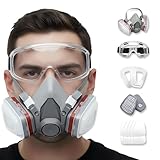
- 【REUSEABLE RESPIRATOR MASK SET】An all-purpose painter’s mask with half face cover, clear safety glasses, and replacement cotton air filtration filters this bundle comes with everything you need to work more safely around dust and aerosol particles.
- 【PERSONAL AND PROFESSIONAL-GRADE USE】This painting respirator mask can also be used for other common DIY jobs and on-site building projects such as woodworking, construction, welding, spray painting, cleaning with chemicals, sanding, and more. Protects from organic gas and steam, benzenn, chlorine, alcohols, aniline, carbon disulfide, acetone, chloroform, methyl bromide and chloride.
- 【TRUSTED AMERICAN SELLER】Backed by service and support right here in the USA we here at Tesoro are focused on providing you unmatched quality products and responsive customer care you won’t find anywhere else for true satisfaction.
- 【COMFORTABLE, ADJUSTABLE FIT】The safety goggles and the spray paint mask can both be quickly adjusted to fit the size of your head and to create a firm, airtight seal around your eyes, nose, and mouth while allowing for proper airflow.
- 【REPLACEMENT COTTON FILTERS】Each safety mask also comes with 10 replaceable air filters that slide into the inside of the painter’s respirator mask to help capture dust, dirt, liquids, and fine aerosols or impurities in the air to better protect the wearer. Uses P-A-1 cartridges. Additional replacement filters are available: B08P2RYYMQ

- NIOSH APPROVED: 3M Disposable Respirator 53P71 is NIOSH approved for respiratory protection against certain organic vapors and particulates up to ten times the permissible exposure limit (PEL)
- COMFORTABLE: Facepiece is made from soft, lightweight material and the well-balanced design enhances comfort
- DISPOSABLE AND MAINTENANCE FREE: Respirator is pre-assembled with permanently attached cartridges and is disposable - reducing the need for long-term maintenance
- VARIETY OF WORKPLACE APPLICATIONS including spray painting, pesticides, agriculture, construction, and transportation
- USES: Intermittent respirator use, plant shutdowns and turnarounds, dirty applications where respirators wear out or become difficult to clean in a short time
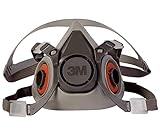
- NIOSH-APPROVED: NIOSH, a USA federal government regulatory agency, has tested and approved the 6200 with 3M cartridges, filters or supplied air systems to help reduce inhaling certain airborne contaminants
- COMFORTABLE: Soft, lightweight facepiece with easy-to-adjust head straps for a customized fit
- DURABLE AND REUSABLE: Respirator can be disassembled, cleaned, and reused. Supplied with reclosable storage bag
- FOR USE WITH BAYONET CONNECTION CARTRIDGES & FILTERS: Use with 3M 6000 Series Gas/Vapor Cartridges to help filter a broad range of gases and vapors and 3M Particle Filters 2000, 2200, 7000, or 5000 Series to filter certain particulates
- USE WITH OTHER PPE: Adjustment points located on facepiece for improved compatibility with other personal protection equipment

- Our Premium Respirator Kit offers unparalleled protection for your face and eyes in a wide range of hazardous environments. This complete suit includes a half face shield, safety glasses, and an ample supply of replaceable filters, making it the ideal choice for professionals and DIY enthusiasts alike.
- The half face shield and safety glasses provide a secure barrier against harmful substances, including gases, paints, fumes, and more.
- Superior Filtration: Equipped with a dual filtration system, the respirator effectively blocks 97% of airborne particles.
- Versatility: Ideal for a variety of applications, including gas, painting, machine polishing, organic vapors, staining, car spraying, sanding, cutting, and general DIY work.
- Complete Kit: Includes one half face shield, one safety glasses, ten cotton filters, two filter cartridges, and two filter covers for comprehensive protection.

- ULTIMATE PROTECTION AND COMFORT WITH A LIGHTWEIGHT AND ERGONOMIC MASK - Keep your eyes and face safe in any environment with a thick lens shield and airtight silicone seal lock that protects you from fumes, debris and particulates so you can focus on the task at hand without worrying about your safety. This respirator mask won’t dig into your skin when worn and allows you to stay cool with an airflow valve designed to reduce the humidity and heat build-up inside the mask.
- BREATHE WITH CONFIDENCE - The perfect mask for working with chemicals and other toxic substances, Including inspection equipment, chemical laboratory and environmental technology With Dual Activated Charcoal filters for easy and natural breathing. Masks charcoal filter used for military gas mask.
- CLEARER COMMUNICATION - Communication is key in any work environment, and with this Full Face Respirator Mask, you can stay connected without compromising your safety. The built-in voice amplification diaphragm ensures clearer sound transmission, eliminating the need to remove your mask when you need to speak. Does not work with glasses. PLEASE NOTE: Date printed on the filter package is the manufactured date and it has 3 years after that date to expire.
- TRUSTED AMERICAN SELLER - you're choosing a trusted American seller committed to delivering quality products backed by responsive customer care and support right here in the USA. Our focus is on providing you with unmatched respirator masks and a customer experience you won't find anywhere else.
- A DEPENDABLE SAFETY SOLUTION FOR MULTIPLE INDUSTRIES - Tesoro Full Face Respirator Mask is your go-to safety solution across a wide range of industries and jobs, including agriculture, construction, mining, welding, painting, and woodworking. Designed with adaptability and reliability in mind, this mask ensures consistent protection and comfort. you can find easily available replacement filters (B08P2TQ387) to ensure your safety and comfort in the long run.
Choosing the Right Paint Respirator: Your Essential Buying Guide
Painting projects, whether big or small, release tiny, harmful particles and fumes into the air. Breathing these in is dangerous for your lungs. A good paint respirator acts like a strong shield for your breathing system. This guide helps you pick the best one for your needs.
Key Features to Look For
When shopping, focus on these important parts:
- Filter Type and Rating: This is the most crucial feature. Look for cartridges rated for organic vapors (for paint fumes) and P100 filters (for fine particles like sanding dust). P100 filters stop 99.97% of airborne particles.
- Fit and Seal: A respirator only works if it seals tightly to your face. Check if the mask offers different sizes (small, medium, large) or if it has adjustable straps for a snug fit.
- Exhalation Valve: Good respirators have exhalation valves. These let warm, moist air easily escape. This keeps you cooler and reduces fogging on safety glasses.
- Nosepiece Comfort: If the nose area pinches, you won’t wear it long enough. Look for soft, flexible nose padding.
Important Materials Used in Respirators
The materials decide how long the mask lasts and how comfortable it feels.
- Silicone or Rubber: Most high-quality mask bodies are made from these materials. Silicone is often preferred because it is soft, very durable, and creates a better seal on the skin than cheaper rubber.
- Plastic (Polycarbonate): This is used for the lens or face shield, if you choose a full-face model. It must be shatter-resistant.
- Activated Carbon: This is the main ingredient inside the vapor cartridges. Activated carbon traps paint fumes and chemical odors.
Factors That Improve or Reduce Quality
Not all respirators offer the same protection. Understand what makes a model better or worse.
Quality Boosters:
- NIOSH Approval: Always check for the NIOSH (National Institute for Occupational Safety and Health) approval stamp. This proves the respirator meets strict government standards.
- Dual Cartridge Design: Masks that use two cartridges balance airflow better and make breathing easier than single-cartridge models.
- Replaceable Parts: High-quality respirators let you replace just the filters or cartridges when they wear out, saving you money over time.
Quality Reducers:
- “Dust Masks” (N95s): Simple paper dust masks only stop particles. They offer zero protection against paint fumes or solvents. Do not use these for painting jobs involving liquid paints or thinners.
- Poor Strap Adjustment: If the straps stretch out quickly or don’t hold their tension, the seal breaks, letting dirty air leak in.
User Experience and Use Cases
How you use the mask changes what features matter most.
For Quick Touch-Ups (e.g., Spray Cans):
You might only need a half-face respirator with P100 filters and organic vapor cartridges. Focus on lightweight comfort since you won’t wear it for hours.
For Long, Heavy Spray Painting Jobs:
A full-face respirator is often better here. It protects your eyes from paint splatter and fumes, offering comprehensive coverage. Look for models with excellent airflow to prevent overheating during long shifts.
Fit Testing is Key:
No matter the brand, you must perform a seal check every time you put the mask on. You simply cover the inlets and inhale; the mask should suck slightly onto your face. If you feel air leaking, adjust the straps or try a different size.
10 Frequently Asked Questions (FAQ) About Paint Respirators
Q: Do I need a respirator for latex (water-based) paint?
A: Yes, you still need protection. While latex fumes are less harsh than oil-based paints, sanding dried latex creates fine dust that P100 filters must stop. If you use a sprayer, airborne mist is also a concern.
Q: What is the difference between a half-face and a full-face respirator?
A: A half-face mask covers your nose and mouth. A full-face mask covers your entire face, including your eyes. Full-face masks protect your eyes from splashes and reduce eye irritation from fumes.
Q: How often should I change the filter cartridges?
A: Change them when you start smelling the paint fumes again, or when breathing becomes noticeably difficult. For heavy use, change them every few weeks. Smell is your best warning sign.
Q: Can I wash my respirator mask?
A: You can safely wash the silicone or rubber facepiece with mild soap and water. Never wash the actual filter cartridges; they must be replaced.
Q: Are N95 masks okay for painting?
A: No. N95 masks only filter particles. They do not filter chemical vapors found in paint thinners, solvents, or many spray paints. You need cartridges for vapors.
Q: Will a respirator fog up my safety glasses?
A: A properly sealed half-face respirator might cause some fogging if you wear separate glasses. Full-face models are designed to vent air away from the lens, preventing fogging.
Q: How do I know if the mask fits me correctly?
A: Perform a positive or negative pressure check. Cover the cartridge inlets and gently breathe out (positive check); the mask should bulge slightly. Cover them and breathe in (negative check); the mask should suck to your face.
Q: Can I wear a beard with a tight-fitting respirator?
A: No. Any facial hair that sits between the sealing edge of the mask and your skin will break the seal. For proper protection, you must be clean-shaven where the mask touches your face.
Q: Are reusable respirators worth the extra cost over disposable ones?
A: Yes. Reusable silicone masks are far more durable, offer a better seal, and are generally more comfortable for long work periods. You only replace the cheaper cartridges.
Q: What does “Organic Vapor” mean on a cartridge?
A: Organic vapors are the harmful fumes released by chemicals like oil-based paints, lacquers, solvents, and strong cleaners. The “Organic Vapor” cartridge absorbs these fumes so you breathe clean air.