Ever painted a wall only to see your beautiful new color look dull or patchy? It’s a frustrating sight, right? That often happens when you skip a crucial, often-ignored step in painting: using primer. Many people think primer is just an extra can of paint, but it’s actually the secret weapon for a professional-looking finish.
Choosing the right primer can feel like navigating a maze. Should you pick a shellac-based one? What about bonding primer? Getting it wrong means wasted time, money, and a finish that just won’t hold up. If you are tired of paint peeling or stains bleeding through your fresh coat, you are not alone. Primer is the foundation that makes all the difference.
This post cuts through the confusion. We will break down exactly what primer does, when you absolutely need it, and how to choose the perfect can for any surface—from drywall to slick cabinets. By the end, you will know primer like a pro, ensuring your next paint job lasts longer and looks fantastic. Let’s dive into the essential first coat!
Top Paint Primer Recommendations


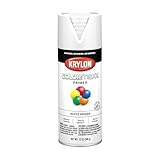


The Ultimate Buying Guide: Choosing the Right Paint Primer
Primer is the unsung hero of any painting project. It’s the foundation that makes your topcoat look great and last longer. Choosing the right one is crucial for a beautiful, durable finish. This guide will help you pick the perfect primer for your needs.
Key Features to Look For
When you shop for primer, look for these important features. They tell you how well the product will perform.
1. Adhesion Power
Good adhesion means the primer sticks really well to the surface. This stops your paint from peeling later. Look for primers labeled “High-Bond” or those specifically designed for slick surfaces like tile or glossy cabinets.
2. Stain Blocking
If you are painting over water stains, smoke damage, or knots in wood, you need a strong stain blocker. These primers seal the stain so it doesn’t bleed through your new paint. Shellac-based or high-quality oil-based primers are usually the best stain blockers.
3. Sealing Capability
Some surfaces, like new drywall or bare wood, soak up paint like a sponge. A good sealer primer locks down the surface porosity. This means you use less expensive finish paint and get even color.
Important Materials and Types
Primers come in different formulas. The material dictates what job it does best.
- Water-Based (Latex) Primer: These are the most common. They clean up easily with soap and water. They dry fast and have very low odor. They work great for general interior walls.
- Oil-Based (Alkyd) Primer: These primers are tough. They offer superior stain blocking and adhesion, especially on glossy surfaces or bare wood. They take longer to dry and require mineral spirits for cleanup.
- Shellac-Based Primer: This is the heavy-duty option. Shellac dries incredibly fast and is the absolute best for blocking severe stains, odors, and tannin bleed from wood. It has a strong smell, so good ventilation is necessary.
- Bonding Primer: These are specially designed to stick to very difficult surfaces like glass, plastic, or ceramic tile.
Factors That Improve or Reduce Quality
The quality of the primer directly affects your final paint job.
What Improves Quality:
- High Solids Content: Primers with more actual solids (pigments and binders) offer better coverage and durability. Higher quality primers usually feel thicker.
- Primer-Sealer Combo: If your surface is very porous (like old plaster or new drywall), a dedicated primer-sealer will give you the best, most uniform base.
What Reduces Quality:
- Using the Wrong Type: Applying a standard latex primer over heavy grease stains will result in the stain showing through later. Using the wrong primer reduces quality quickly.
- Applying Too Thinly: Primer needs to be applied at the recommended thickness (mil thickness). If you spread it too thin just to save product, it will not seal or block stains effectively.
User Experience and Use Cases
Your project dictates the best primer choice. Think about what you are painting and where it is located.
Interior Walls (General Use):
For standard repainting of drywall or plaster, a high-quality, low-VOC (low odor) water-based primer-sealer offers the best user experience. It dries quickly, allowing you to paint the topcoat the same day.
Exterior Wood or Metal:
You need a primer that resists moisture and rust. For wood, use a rust-inhibiting primer on any metal fasteners. For bare wood, an oil-based primer seals the wood grain best against weather changes.
Difficult Surfaces (Cabinets, Tile, Laminate):
These jobs require excellent adhesion. Always use a specialized bonding primer. These primers grip slick surfaces so your expensive cabinet paint does not chip off in a few weeks.
10 Frequently Asked Questions (FAQ) About Paint Primer
Q: Do I really need to use primer?
A: Yes, almost always. Primer helps the paint stick better, covers old colors, and seals the surface so your final paint looks even.
Q: Can I just use leftover wall paint instead of primer?
A: You can, but it is not recommended. Primer has special ingredients that help it stick and seal that regular paint lacks.
Q: How long does primer take to dry?
A: Water-based primers often dry to the touch in 30 minutes to an hour. Oil-based primers usually need 4 to 8 hours before you can paint over them.
Q: What is the best primer for covering dark colors?
A: A high-hiding, tinted primer is best. You can often have your primer tinted gray or a color close to your final topcoat to help cover dark colors faster.
Q: Can I use interior primer outside?
A: No. Interior primers are not made to handle extreme weather, UV rays, or moisture fluctuations outside. Always use exterior-rated primer outdoors.
Q: What is the difference between a sealer and a primer?
A: A sealer primer is specifically designed to stop very porous surfaces (like new drywall) from soaking up too much paint. Many products are sold as “Primer-Sealers.”
Q: Is shellac primer safe for indoor use?
A: Shellac primer works indoors, but it has a very strong smell. You must use good ventilation, like opening windows and using fans, when applying it.
Q: Does primer stop mildew?
A: Some specialized primers contain mildewcides that help prevent mold growth, especially in damp areas like bathrooms. Look for primers labeled as “mildew-resistant.”
Q: How many coats of primer should I apply?
A: Usually, one good coat is enough. If the surface is severely damaged, stained, or you are making a drastic color change, two thin coats might be necessary.
Q: Can I use primer on glossy surfaces without sanding?
A: You should always lightly sand glossy surfaces first. Sanding scuffs the surface, giving the bonding primer something rough to grab onto for better long-term adhesion.