Ever wondered why some metal projects look amazing at first, but quickly start to rust or chip? The secret to a long-lasting, professional finish often hides in the very first step: the primer. Choosing the wrong primer for metal is like building a house on sand; it just won’t hold up to the elements.
Selecting the right metal spray paint primer can feel overwhelming. Should you use etching, bonding, or rust-inhibiting? Each type promises great results, but picking the wrong one leads to wasted time, money, and a frustrating finish that peels away too soon. You need a primer that grips the metal tightly and protects it from moisture and corrosion.
This guide cuts through the confusion. We will break down exactly what each type of metal primer does and when you absolutely need it. By the end of this post, you will confidently select the perfect foundation for your next metal project, ensuring your paint job stays flawless for years.
Top Metal Spray Paint Primer Recommendations

- Weather and corrosion resistant primer bonds tightly to exterior/interior surfaces like wood, metal, concrete, masonry and more to provide excellent adhesion for top coat
- Oil-based formula provides a durable protective coating with excellent rust prevention
- Dries to touch in 15 minutes and covers up to 12 sq. ft.
- Primer provides a base for excellent adhesion and withstands demanding, heavy-use environments
- Creates a flat white finish that can be covered with any topcoat

- Ideal for use on interior/exterior surfaces including wood, plastic, plaster, metal, masonry and unglazed ceramic
- Oil-based formula is low odor, resist chips and provides long-lasting protection
- Dries to touch in 20 minutes and covers up to 12 sq. ft. per can
- Durable formula provides excellent hide and goes on smoothly
- Flat primer provides a surface ready for painting

- Primer spray paint is designed to protect heavily rusted surfaces
- Oil based paint with Stops Rust formula provides rust resistant base coat for cars, trucks and other vehicles
- Covers up to 12 sq. ft. and dries to the touch in 15 minutes
- Corrosion resistant spray paint provides more than twice the rust protection of enamels alone
- Flat finish can be covered with any topcoat with superior adhesion
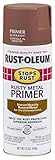
- Use to prime exterior or interior heavily rusted metal surfaces only
- Oil-based formula provides a durable protective coating with excellent rust prevention
- Dries to the touch in 15-30 minutes and covers between to 10-12 sq. ft. per can
- Primer provides a base for excellent adhesion and withstands demanding, heavy-use environments
- Creates a surface that topcoats can easily adhere to

- Primer spray paint is suitable for use on wood, metal and fiberglass surfaces
- Oil-based paint with Stops Rust formula provides rust resistant base coat for cars, trucks and other vehicles
- Covers up to 12 sq. ft. and dries to handle (and can be recoated) in 15 minutes
- High quality spray paint ensures long lasting, durable coating
- Flat finish provides superior adhesion and works with any topcoat

- Ideal for use on interior/exterior surfaces including wood, plastic, plaster, metal, masonry and unglazed ceramic
- Oil-based formula resists chips and provides long-lasting protection
- Dries to touch in 20 minutes and covers up to 12 sq. ft. per can
- Durable formula provides excellent hide and goes on smoothly
- Gloss finish provides a fresh, new look for surfaces
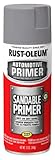
- Wet and dry sandable primer is suitable for use on wood, metal and fiberglass surfaces
- Oil based paint with Stops Rust formula provides rust resistant base coat for cars, trucks and other vehicles
- Covers up to 15 sq ft and dries to the touch (and can be recoated) in 10 minutes.
- High quality spray paint ensures long lasting, durable coating
- Provides superior top coat adhesion and flat finish yields a smooth surface when sanded
The Ultimate Buying Guide: Choosing the Best Metal Spray Paint Primer
Primer is the secret weapon for any great paint job on metal. It helps the topcoat stick better and stops rust from ruining your hard work. Picking the right metal spray paint primer makes a huge difference in the final look and how long it lasts. This guide will help you choose wisely.
Key Features to Look For
1. Rust Inhibition
The most important job of a metal primer is fighting rust. Look for primers labeled as “rust-inhibiting” or “rust-preventative.” These usually contain special chemicals that block moisture and air from touching the bare metal.
2. Adhesion (How Well It Sticks)
Great adhesion means the paint will not chip or peel later. Good primers are designed to grab onto slick metal surfaces tightly. Check if the can mentions suitability for bare, previously painted, or galvanized metal.
3. Drying Time and Recoat Window
How fast the primer dries affects your project speed. Faster drying times mean you can apply the topcoat sooner. The recoat window tells you the best time frame to apply your finish coat for maximum bonding.
4. Finish Type (Surface Preparation)
Some primers offer a slight texture or “filler” quality. These are great for slightly rough or pitted metal surfaces because they help smooth out minor imperfections before you apply the color coat.
Important Materials in Metal Primers
The ingredients matter a lot. Different bases offer different benefits:
- Oil-Based (Alkyd) Primers: These are very durable and offer excellent rust protection. They stick well to many surfaces but take longer to dry and have a stronger smell.
- Latex (Water-Based) Primers: These are easier to clean up (soap and water) and dry quickly. They are good for indoor projects or light-duty outdoor items.
- Epoxy Primers: These are the toughest. They create a very hard, chemical-resistant barrier. They are usually two-part systems but offer the best long-term protection for heavy-duty items.
Factors That Improve or Reduce Quality
What Makes Quality Better?
High-quality primers usually have a higher concentration of solids (the actual protective material). This means you get better coverage with fewer coats. Also, primers specifically designed for challenging metals, like aluminum or galvanized steel, offer superior bonding.
What Lowers Quality?
Using the wrong type of primer significantly reduces quality. For example, using a standard latex primer on rusty outdoor furniture will not stop the rust from spreading underneath the paint. Cheap primers often have fewer protective pigments, leading to poor rust blocking and weak adhesion.
User Experience and Use Cases
The user experience often comes down to the spray nozzle.
Spray Nozzle Quality
A good spray nozzle produces an even, wide fan pattern. This lets you cover large areas quickly without drips or runs. Poor nozzles create blobs of paint, forcing you to sand and reapply.
Common Use Cases
- Automotive Restoration: Requires high-adhesion, rust-inhibiting primers (often epoxy or specialized direct-to-metal formulas).
- Outdoor Furniture or Railings: Needs good weather resistance and strong rust protection (oil-based or direct-to-metal formulas work well).
- Crafts and Indoor Metal Decor: Focuses on quick drying and easy cleanup (water-based primers are often sufficient).
10 Frequently Asked Questions (FAQ) About Metal Spray Paint Primer
Q: Do I really need primer if my metal isn’t rusty?
A: Yes. Primer helps the topcoat stick much better to smooth metal. It acts like double-sided tape for your paint.
Q: Can I use regular wall primer on metal?
A: No. Regular wall primers lack the necessary rust inhibitors and chemicals needed to bond securely to metal surfaces.
Q: How long should I wait between priming and painting?
A: Check the can, but usually, you wait 1 to 4 hours for spray primers. Always ensure the primer feels dry to the touch before recoating.
Q: What is “Direct-to-Metal” (DTM) primer?
A: DTM primers are special. They are formulated to stick directly to bare metal without a separate primer coat, often containing good rust fighters.
Q: Should I sand the metal before priming?
A: Yes, always. Lightly sanding (scuffing) the metal creates tiny scratches that the primer can grab onto, improving adhesion greatly.
Q: What is the main difference between gray and red primer?
A: Red primers traditionally contain more iron oxide, offering very strong rust protection. Gray primers are often used as a neutral base, especially if you plan to use light-colored topcoats.
Q: Can I use primer on galvanized (shiny) metal?
A: Galvanized metal is tricky. You must use a specialized primer formulated for “non-ferrous” metals or galvanized surfaces, or the paint will peel off.
Q: Does primer change the final color of my paint?
A: Yes. A dark primer under a light color (like yellow) might make the yellow look dull. A white or light gray primer helps bright colors look truer.
Q: Can I use spray primer indoors?
A: Only if the room has excellent ventilation. Most metal primers have strong fumes. Water-based primers are the safest indoor choice.
Q: If I see rust bubbling up after priming, what happened?
A: This means the primer did not fully seal the rust. You must remove all the bubbling paint and rust, then apply a dedicated rust converter or heavy-duty rust-inhibiting primer to that spot.